Before anyone commits.
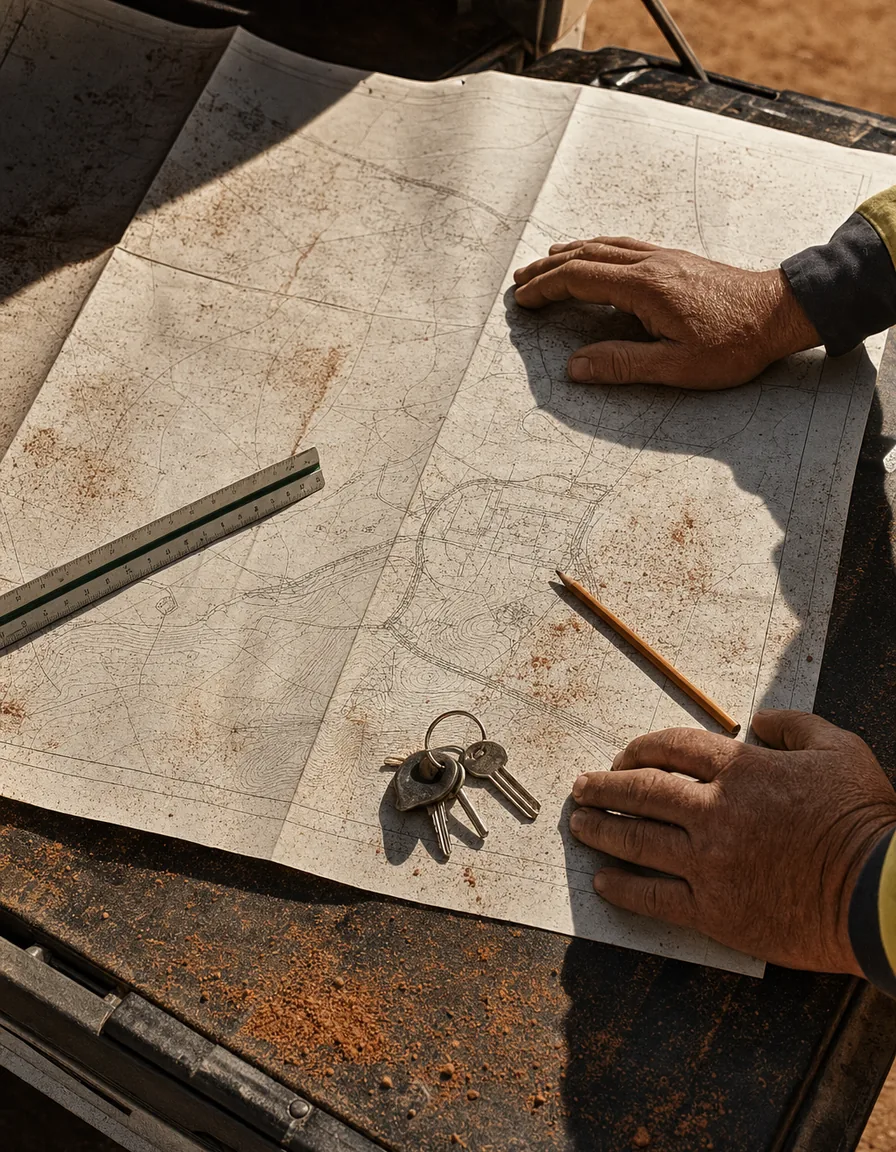
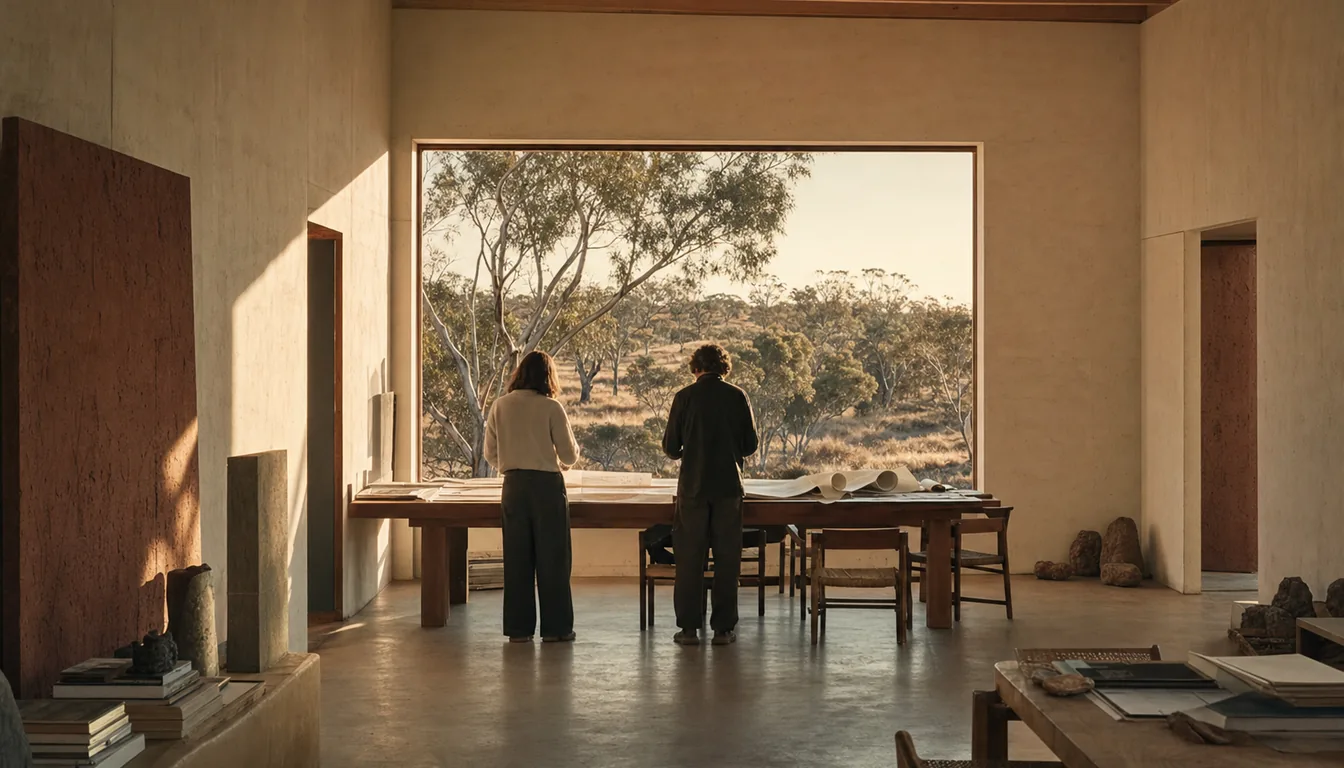
We assess whether land is viable before money is spent. Planning constraints, infrastructure requirements, market conditions, financial modelling. If the site stacks up, we define the pathway. If it doesn’t, we stop.
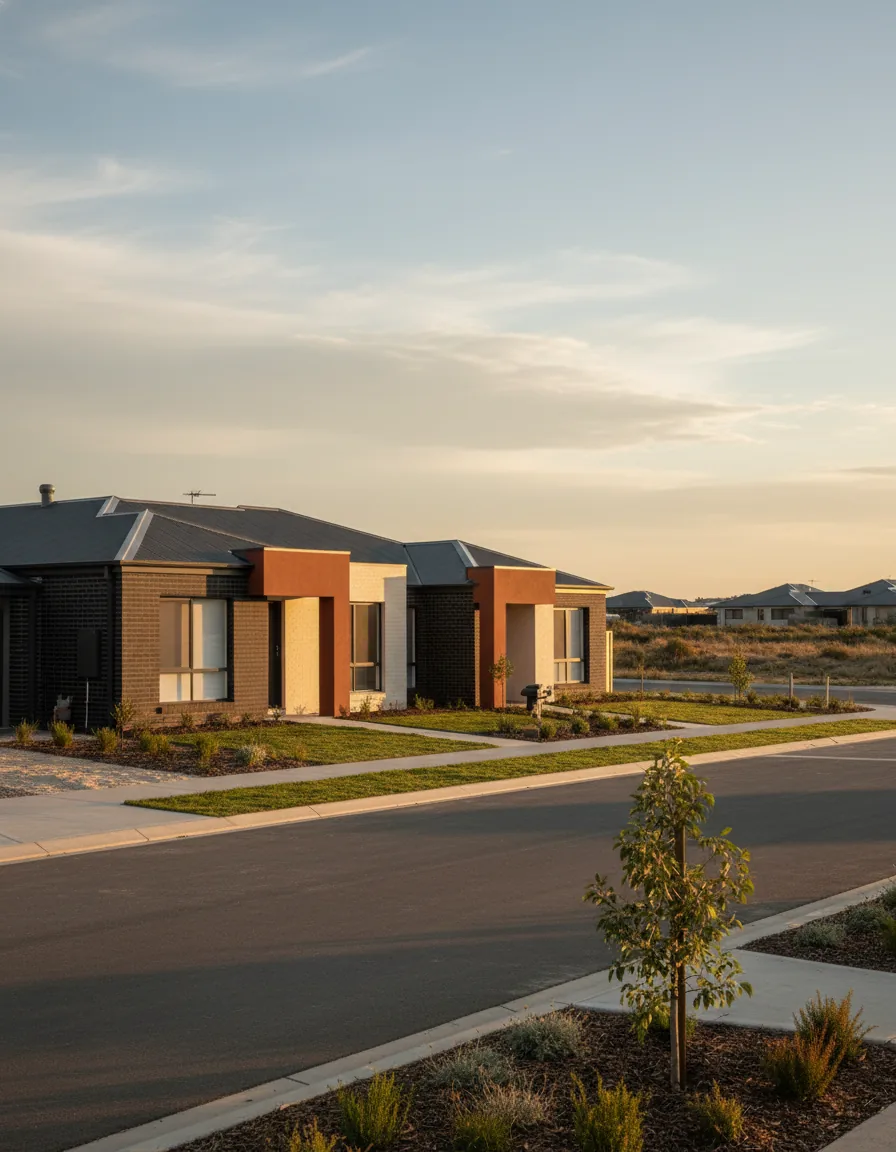
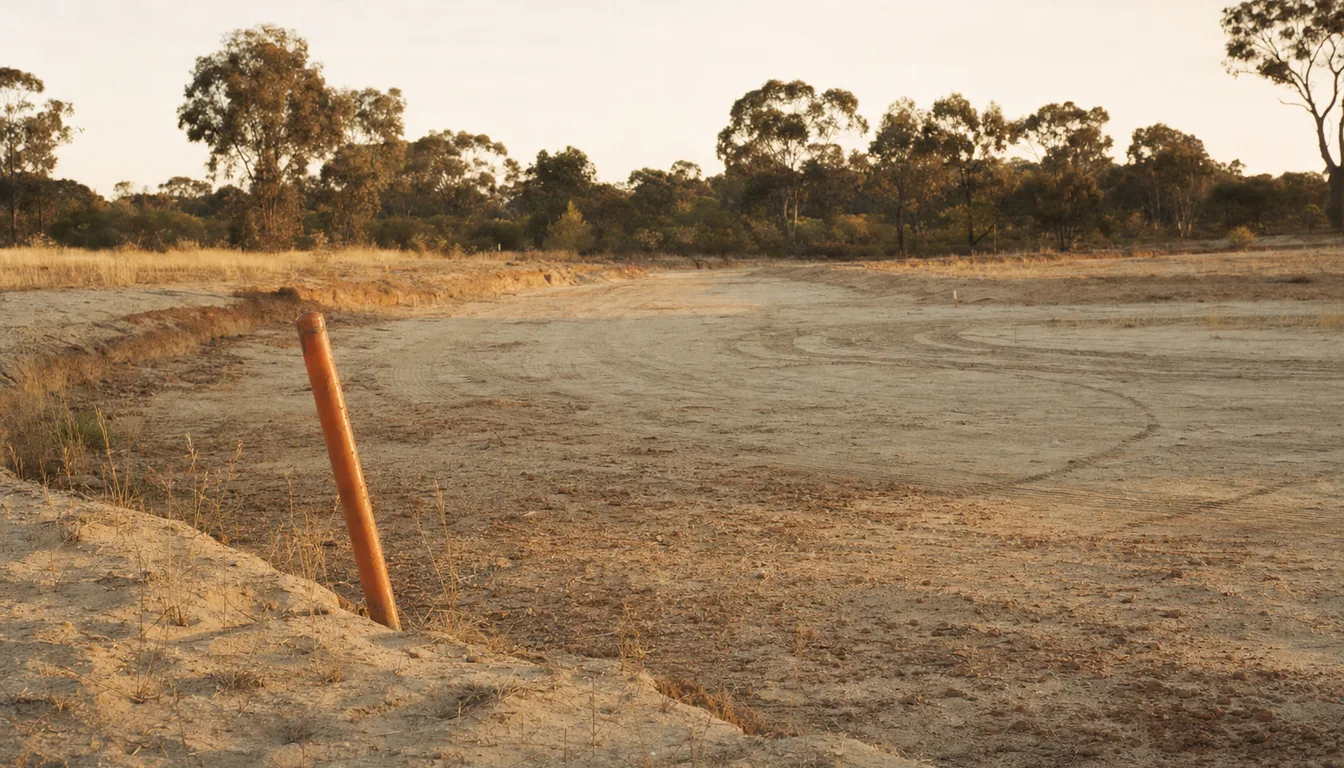
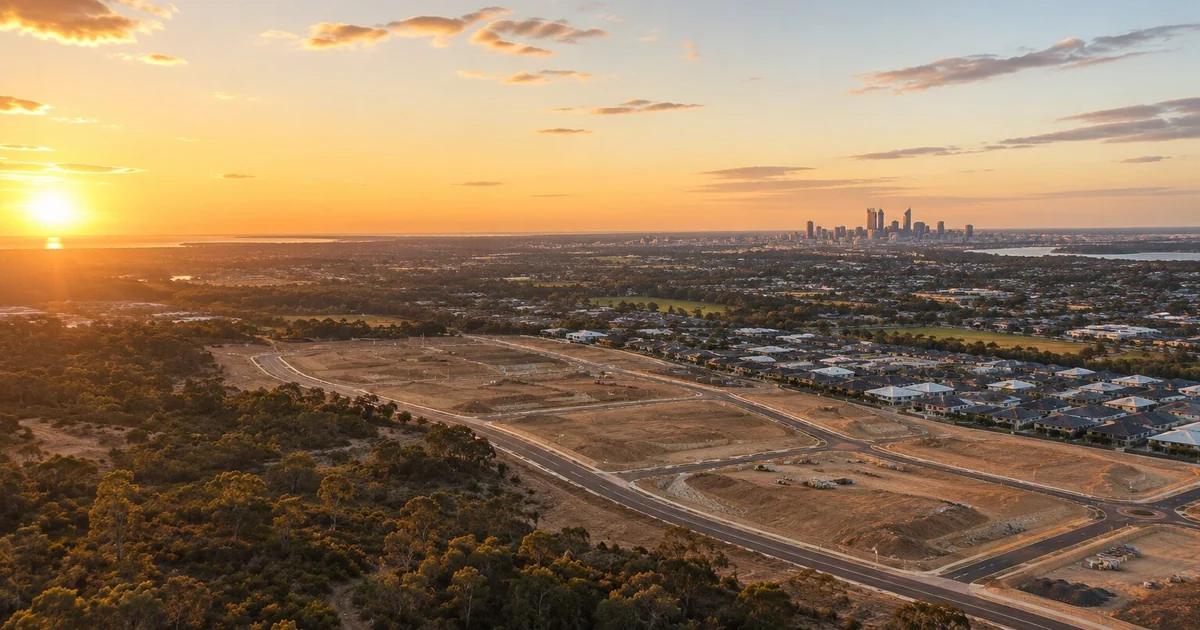
DevCo coordinates the upstream work — feasibility, planning, approvals, civil infrastructure — so housing opportunities in Perth are properly prepared before a builder or buyer is ever involved.
We don’t build houses. We make sure they can be built.
A note before reading — the gap we describe is not a feature of any single project. It is structural to how housing supply works.
Builders build. Planners plan. Engineers engineer. Nobody coordinates. Between raw land and a finished home is a layer of work most people never see — and it’s exactly where housing opportunities stall, blow out, or fail.
Most sites are assessed for viability too late. By then, the wrong commitments have already been made.
Planning, engineering, and civil delivery happen in silos. No one’s job is to hold it together.
The result: delays, budget blowouts, and projects that never make it to a builder at all.
The problem doesn’t start on the building site. It starts in the gap no one fills.
The story everyone tells about housing is wrong by one chapter. The bottleneck isn’t where you’re looking.
Not construction costs. Not builder capacity. Not interest rates.
Before any of those conversations can happen, land has to be identified, assessed, planned, approved, and infrastructure-delivered. That process is fragmented, under-coordinated, and rarely explained.
That’s what DevCo was built to solve.
Not a builder. Not an agent. The independent coordination layer that makes housing outcomes possible.
We assess whether land is viable before money is spent. Planning constraints, infrastructure requirements, market conditions, financial modelling. If the site stacks up, we define the pathway. If it doesn’t, we stop.
Development applications, council coordination, engineering, civil works, subdivision and service connections. The work that turns an assessed site into a properly serviced, build-ready opportunity.
Through the HALCO platform, prepared land reaches the right builders and buyer pathways. DevCo’s work ends where HALCO’s begins. Together, they form a coordinated pipeline from land to housing outcome.
We don’t build homes. We build the conditions for a successful project.
We’re the upstream engine in a coordinated housing supply network across Perth.
Most housing delays happen because these parties work in isolation. DevCo coordinates the upstream. HALCO connects the downstream. The parts that used to fall into the gap now move as one.
DevCo develops the land pipeline.
HALCO packages the housing outcome.
Every project follows the same structured process. No shortcuts. No skipped steps.
We locate and assess land opportunities — testing feasibility, planning pathway, and market alignment before any commitment is made.
Detailed modelling across planning constraints, infrastructure costs, construction pricing, and financial returns. If the site works, we define the pathway. If it doesn’t, we stop.
Development applications, council engagement, engineering, civil design. The approval process that turns a viable site into a legally cleared, infrastructure-designed opportunity.
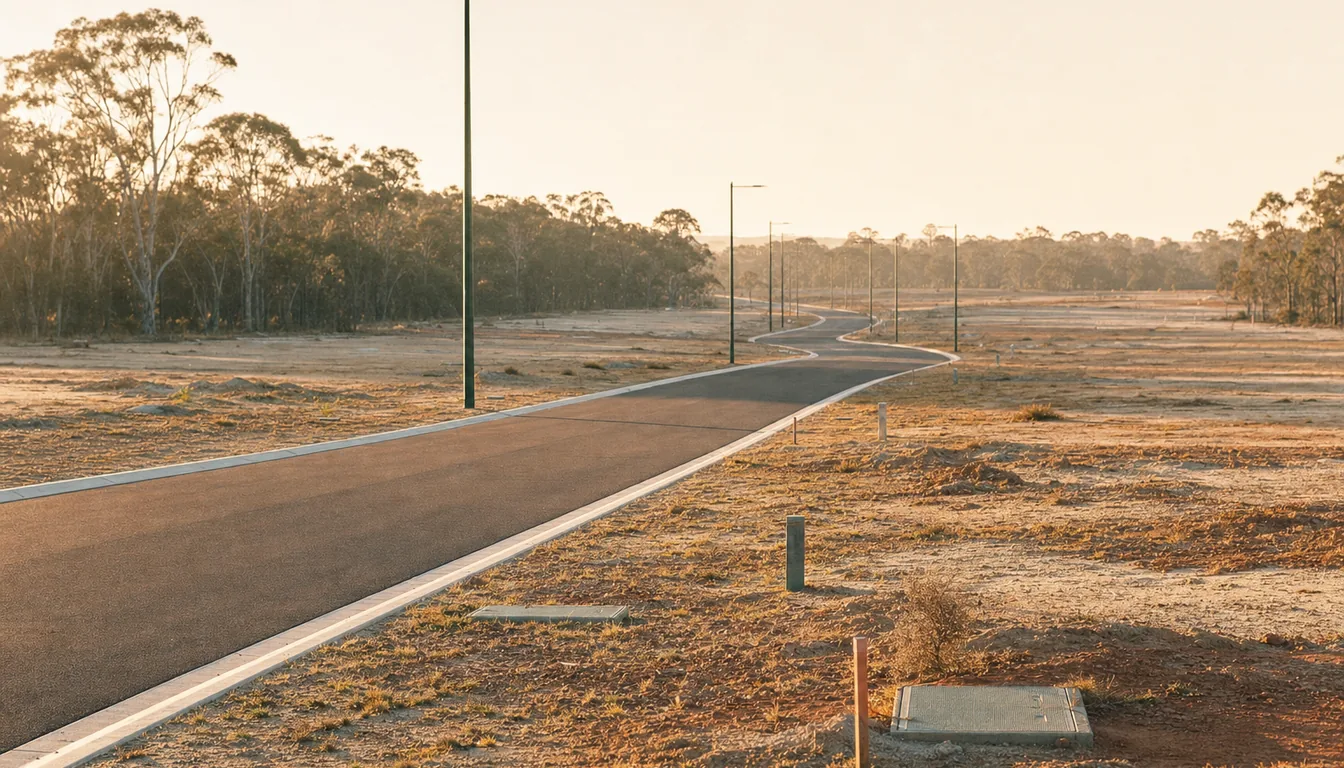
Civil works, service connections, subdivision registration. Not just approved — genuinely ready for a builder to start.
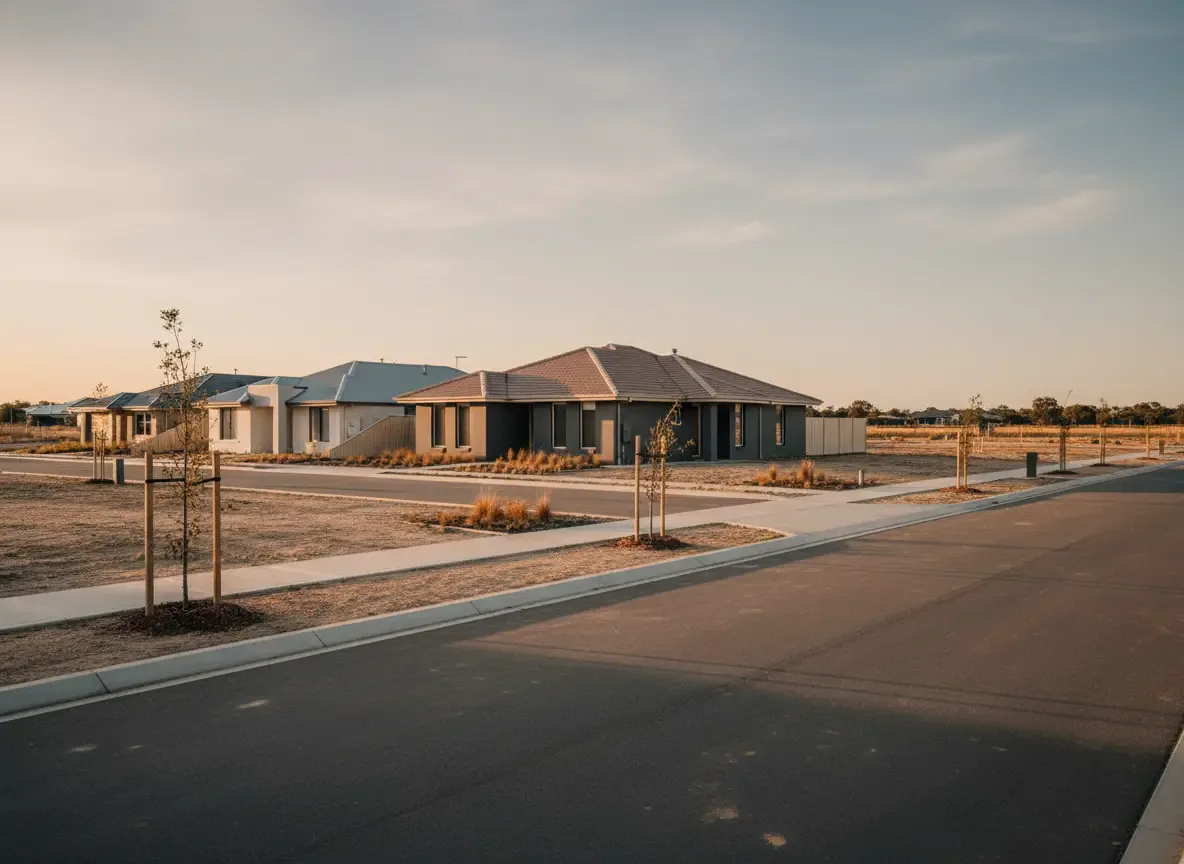
Through HALCO, prepared land reaches the right builders and buyer pathways. The upstream work is done. The housing outcome happens.
Land → assessed → approved → serviced → built. Every step earned.
You’ve been looking at land and talking to builders. You’re getting different answers from everyone. Timelines shift. Nobody coordinates. The process feels opaque — because it is. DevCo and HALCO work together to create clearer, better-structured pathways from land to home. Start with the guide.
Download the Free GuideYou understand property. You’re looking for a development opportunity with a real process behind it — proper feasibility, independent advice, and a coordinated pathway from land to outcome. DevCo works with investors who want to participate the right way. The guide explains the platform.
Download the Guide + Start a ConversationWe don’t build. We don’t earn from construction margin. Every builder recommendation is based on what the project needs — nothing else.
We don’t progress sites that don’t work. Feasibility is the gate — not relationships, not enthusiasm, not commission.
Our work is specific to Western Australia’s planning environment, council structures, and market conditions. Built here. For here.
We coordinate across the full development pathway — from site identification to housing outcome. The continuity is the product.
Six things people ask us in the first conversation. The guide answers more of them, in plain language.
We start with a structured feasibility: planning constraints, infrastructure costs, market alignment, financial modelling. If the site stacks up, we define the pathway and progress it through approvals, civil delivery and connection to a builder via HALCO. If it doesn’t stack up, we tell you — before money is spent that shouldn’t be.
A developer is buying. A builder is building. DevCo is neither. We sit in the coordination layer between land, planning, civil, and outcome — independently. That means no construction margin, no agent commission, no incentive to push a project that doesn’t work.
It means a real feasibility process backs the opportunity. You’re not betting on a postcode going up. You’re participating in a pipeline that has been planning-tested, infrastructure-modelled, and matched to a builder pathway before capital moves.
It varies — feasibility is a few weeks, planning is months, civil delivery is months more. The honest answer is between 12 and 36 months from raw land to lots serviced and registered, depending on planning complexity and scale. The guide walks through it.
DevCo develops the land pipeline. HALCO packages the housing outcome — connecting prepared land to the right builders and buyer pathways. Two parts of the same network, deliberately separated so each does one thing well.
Yes — for now, deliberately. Planning, council structures and market conditions are state-specific. The process is built around Perth and broader WA. Doing one place well is more useful than doing many places badly.
A short note on the hidden cost of skipped feasibility — and how a fifteen-thousand dollar mistake at acquisition becomes a million-dollar problem at delivery.
Read noteFrom a Form 1A to a registered subdivision — the agencies, approvals, and quiet handoffs that make up a typical year of upstream work.
Read noteWhy we deliberately separated land development from housing packaging — and how the network was designed to keep every party in its lane.
Read noteBefore conversations. Before commitments. Before anything.
Free. Written for people, not industry insiders. If it raises more questions than it answers — that’s what the conversation is for.